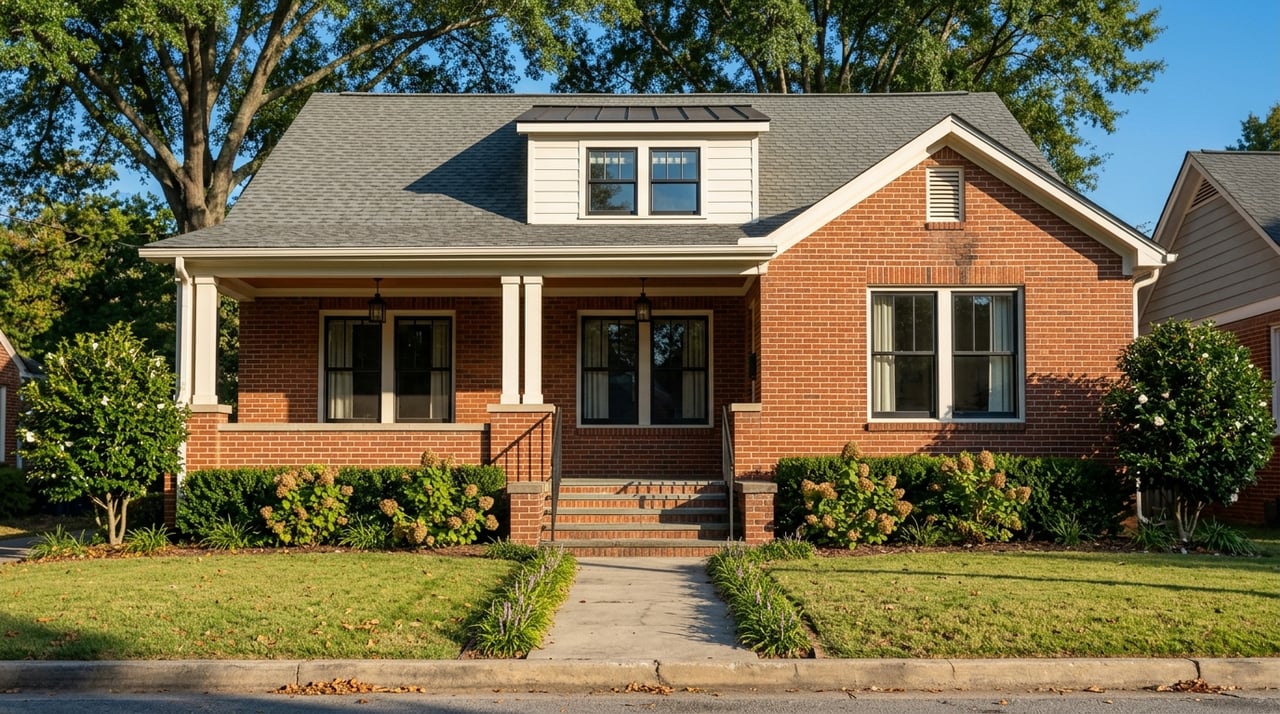
Wondering how to trade your intown condo for a Virginia-Highland bungalow without losing momentum on either side of the move? You are not alone. For many buyers who already love intown Atlanta living, the challenge is not choosing the neighborhood. It is figuring out how to sell a smaller home and buy an older single-family home in a fast-moving market with confidence. This guide will walk you through what to expect, what to prepare, and how to time the move more smoothly. Let’s dive in.
Why Virginia-Highland draws move-up buyers
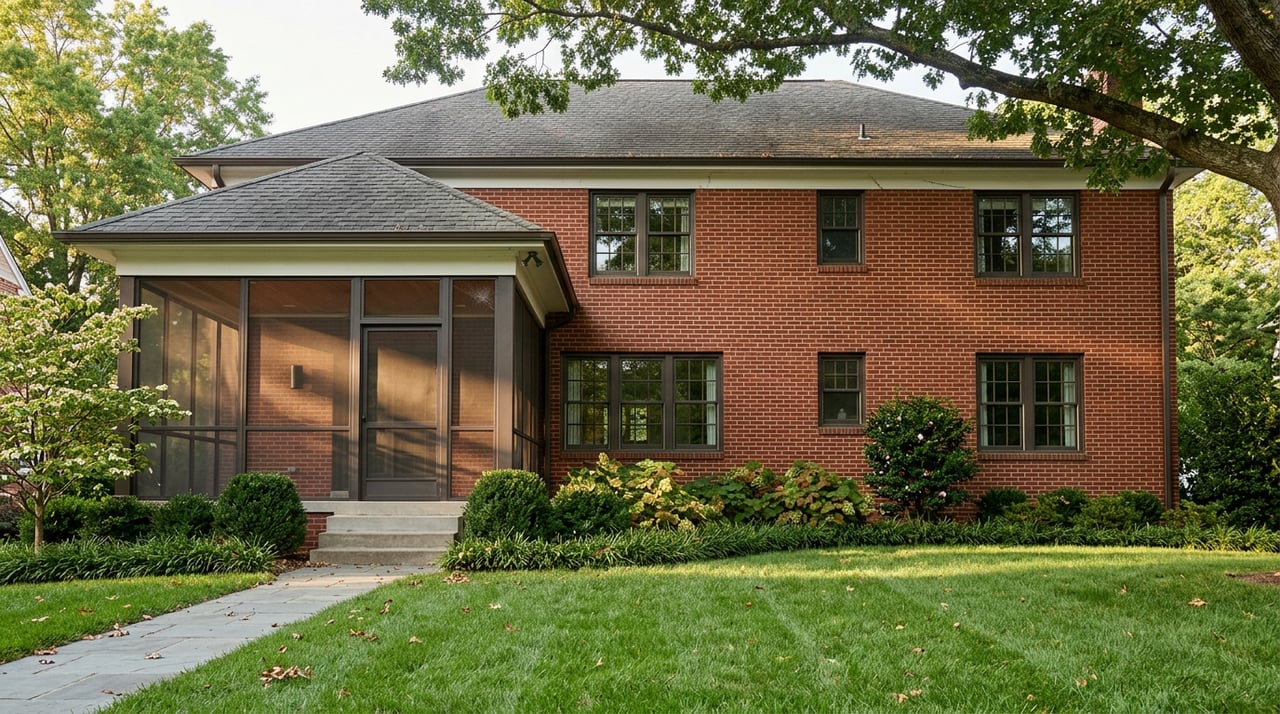
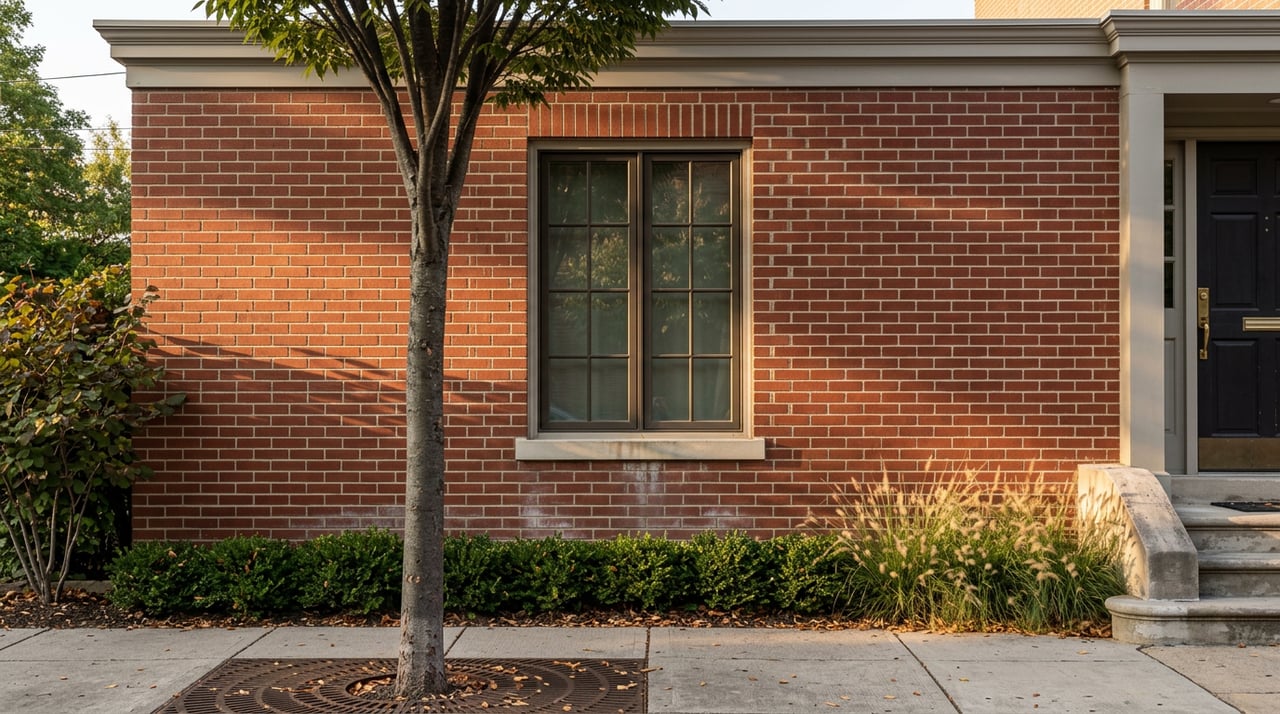
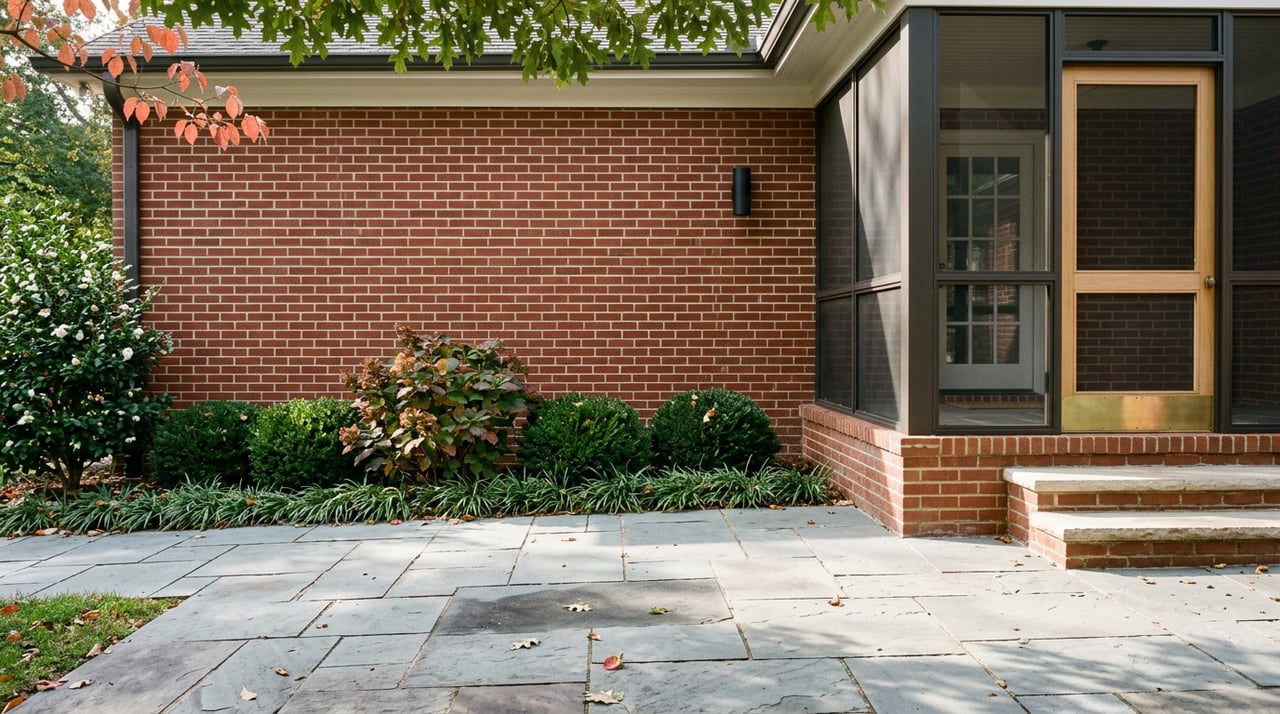
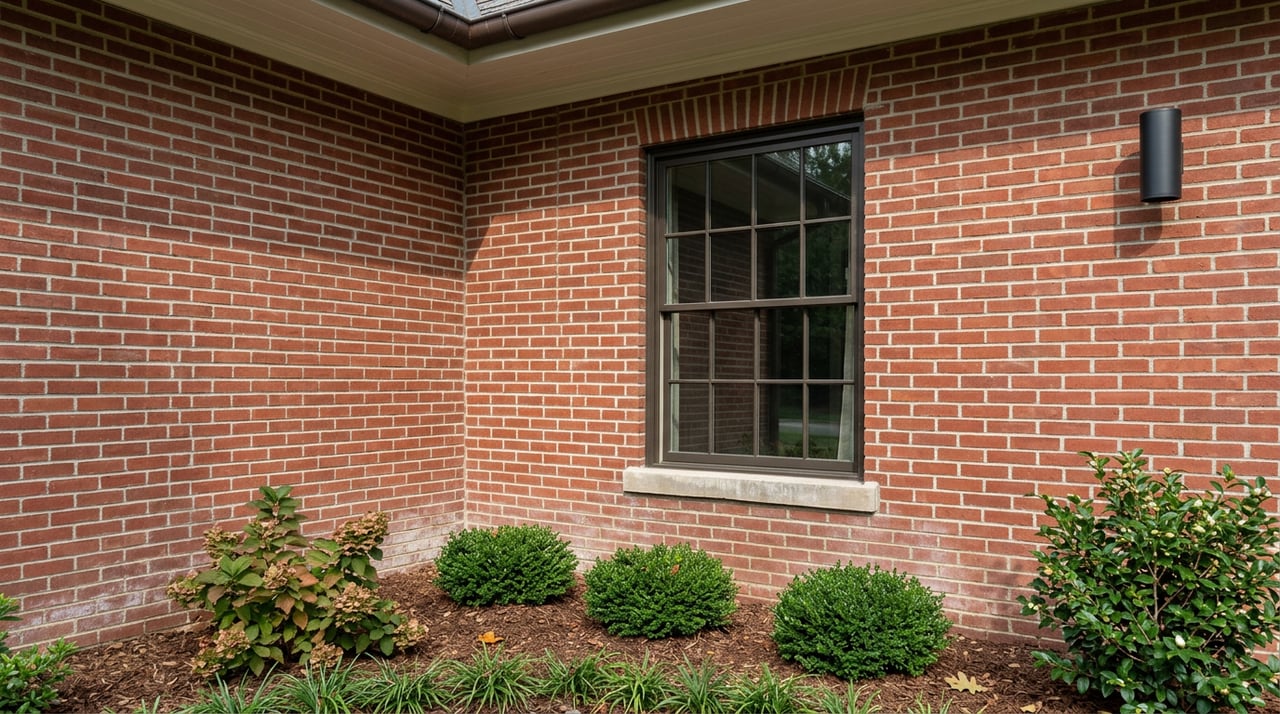
Virginia-Highland has the kind of housing and lifestyle that makes many condo owners start thinking bigger. The neighborhood is a National Register historic district known for bungalows, cottages, and Foursquare homes that were mostly built from 1905 through 1936. Tree-lined streets, nearby Piedmont Park, access to the BeltLine, and a walkable mix of shops and restaurants all add to the appeal.
If you already live intown, that pull can feel very specific. You may want more indoor space, a yard, a porch, or a detached home, but you do not want to give up walkability or neighborhood character. In Virginia-Highland, that is often the move-up equation.
What the Virginia-Highland market means for you
The local numbers point to a market where desirable homes can still move quickly. Realtor.com reported 44 active listings in June 2026, with a median listing price of $578,250, a median days-on-market figure of 49, and a 99% sale-to-list ratio. Redfin reported a May 2026 median sale price of $722,257, median time to sell of 19 days, and a very competitive market.
Those figures come from different sources and timeframes, so they are not a direct apples-to-apples comparison. Still, the bigger takeaway is clear. In Virginia-Highland, well-positioned homes can attract strong interest, and buyers should be ready for competition on standout properties.
Metro Atlanta inventory has been building, with Atlanta REALTORS® reporting 17,723 active listings and 4.0 months of supply in March 2026. That can create more options across the region. But it does not necessarily make sought-after intown neighborhoods feel easy.
Start with your condo strategy
If you are making a move-up purchase, your condo sale is not a side task. It is a key part of your buying plan. The cleaner and more organized your condo listing process is, the easier it becomes to act when the right bungalow hits the market.
Prepare condo documents early
Condo buyers and their lenders often review more than just your unit. Fannie Mae notes that lenders may evaluate the project’s physical condition, financial stability, reserve funding, pending lawsuits, special assessments, and structural issues. Buyers may also have a limited period to review condo documents after going under contract.
That means you should gather your materials before your condo goes live. A prepared file can help reduce delays and strengthen buyer confidence.
Consider organizing these items early:
- HOA documents
- Current budget information
- Reserve fund details
- Any known special assessments
- Information on repairs or building updates
- Monthly dues and what they cover
Position your condo for speed
When you are trying to buy and sell at the same time, timing matters. A condo that launches with strong presentation and complete information can put you in a better position to negotiate your next move.
For sellers in intown Atlanta, this is where a full-service approach can help. Premium photography, strong marketing, and careful pricing can support a more efficient sale process, especially when you need your condo to work as a springboard into your next home.
Tour bungalows before your condo closes
One of the biggest mistakes move-up buyers make is waiting too long to study the bungalow market. You do not need to wait until your condo is fully sold to start touring homes. In fact, seeing homes early can sharpen your expectations on price, condition, and trade-offs.
Virginia-Highland bungalows often come with charm that does not always show up in a condo search. You may find original details, larger lots, older floor plans, or updates that vary a lot from house to house. Touring early helps you learn what matters most to you before the pressure is on.
Know what to watch in older homes
Because many Virginia-Highland homes were built between 1905 and 1936, inspections and systems questions are a normal part of the process. That does not mean every home has major issues. It does mean you should expect more diligence around age, maintenance, and renovation history.
As you tour homes, pay attention to:
- Roof age and condition
- HVAC, plumbing, and electrical systems
- Foundation or drainage concerns
- Window condition and insulation
- Renovation quality and permits, if applicable
- Likely near-term maintenance costs
A bungalow can be the right move and still need a thoughtful budget. Going in with clear eyes helps you avoid overcommitting emotionally or financially.
Build a buying plan around Georgia closings
In Georgia, real estate closings are attorney-supervised. The State Bar of Georgia says a lawyer may conduct the closing, including by video conference, as long as the lawyer remains in control of the process from beginning to end. That structure makes coordination especially important when you are both selling and buying.
Your contract terms matter, too. Georgia closing guidance says the contract should clearly address earnest money, closing date, delivery of possession, who pays closing costs, and prorations for property taxes and HOA dues. Georgia Consumer Ed also notes that prorated taxes and utilities, and sometimes homeowner’s insurance and prepaid interest, can be due at closing.
Keep your timeline connected
A move from condo to bungalow is often less about perfect timing and more about careful sequencing. In a competitive neighborhood, you may need to prepare your condo first, begin your Virginia-Highland home search while your sale is underway, and keep your attorney and lender aligned on key dates.
That coordination can affect more than just closing day. It can shape possession timing, temporary housing needs, and how strong your offer looks to a seller.
Make your offer strong, not just high
In Virginia-Highland, a competitive offer is about more than headline price. Redfin reports that some homes receive multiple offers, and hot homes can go pending in about 14 days and sell around 2% above list price. In that kind of environment, clarity and certainty matter.
A seller wants to know that your deal can close cleanly. That is especially true when you are buying an older home and selling a condo at the same time.
Elements that can strengthen your offer
A compelling offer may include:
- Clear earnest money terms
- Well-defined closing dates
- Strong lender communication
- Clean, organized contract terms
- Realistic possession timing
- Fast response times during negotiation
The right strategy depends on your finances, your condo timeline, and the specific home. But in a competitive pocket like Virginia-Highland, structure can be just as important as price.
Expect trade-offs and choose them on purpose
Moving from an intown condo to a bungalow usually means gaining some things and giving up others. You may get more privacy, more outdoor space, and more long-term flexibility. You may also take on more maintenance, higher upkeep, and more variation in home condition.
That is why the best move-up decisions are rarely about square footage alone. They are about whether the home fits how you want to live now and over the next several years.
Questions to ask yourself
Before you make the jump, think through a few practical questions:
- Do you want turnkey condition, or are you open to projects?
- How much maintenance are you comfortable managing?
- Is porch, yard, or parking space a top priority?
- How important is being on a quieter street versus closer to retail activity?
- Do you need to buy and sell on a tight timeline?
Clear answers can help you move faster when the right property appears.
Why local execution matters
A move like this has a lot of moving parts. You are not just selling one property and buying another. You are coordinating pricing, prep, market timing, offer strength, inspections, legal closing details, and the realities of older housing stock.
That is where local knowledge can make a real difference. In a neighborhood like Virginia-Highland, understanding how homes are valued, how quickly the best listings move, and how to present your condo effectively can help you make better decisions at every step.
If you are thinking about making the jump from condo to bungalow, a relationship-driven plan matters. The right guidance can help you prepare your condo for market, identify the right buying window, and compete with confidence when the right home comes along.
When you are ready to map out your next move in Virginia-Highland, connect with Crochet Realty Group for thoughtful, white-glove guidance tailored to your goals.
FAQs
How competitive is the Virginia-Highland housing market for bungalow buyers?
- Virginia-Highland remains competitive for desirable homes, with local data showing quick sales in many cases, multiple-offer situations for some properties, and strong sale-to-list performance.
What should condo sellers prepare before listing an intown Atlanta condo?
- You should organize HOA documents, budget and reserve information, monthly dues, known assessments, and repair details early so buyers and lenders can review the project with fewer delays.
What should buyers watch for in older Virginia-Highland bungalows?
- Because many homes in Virginia-Highland were built between 1905 and 1936, you should pay close attention to inspections, roof condition, major systems, drainage, and the quality of any past renovations.
How do Georgia real estate closings affect a buy-and-sell move?
- Georgia closings are attorney-supervised, so it is important to coordinate your sale and purchase timelines carefully and make sure contract terms clearly address earnest money, closing dates, possession, and prorations.
When should you start touring Virginia-Highland homes if you still need to sell your condo?
- It often makes sense to start touring before your condo fully closes so you can understand pricing, condition, and trade-offs early while your sale preparation is already underway.