Wondering why one historic Druid Hills home draws strong interest while another sits? In this neighborhood, buyers are not just comparing bedrooms and baths. They are weighing architecture, setting, documentation, and how well a home’s historic character has been preserved. If you are thinking about selling, this guide will help you focus on the details that matter most before you go to market. Let’s dive in.
Why Druid Hills Homes Sell Differently
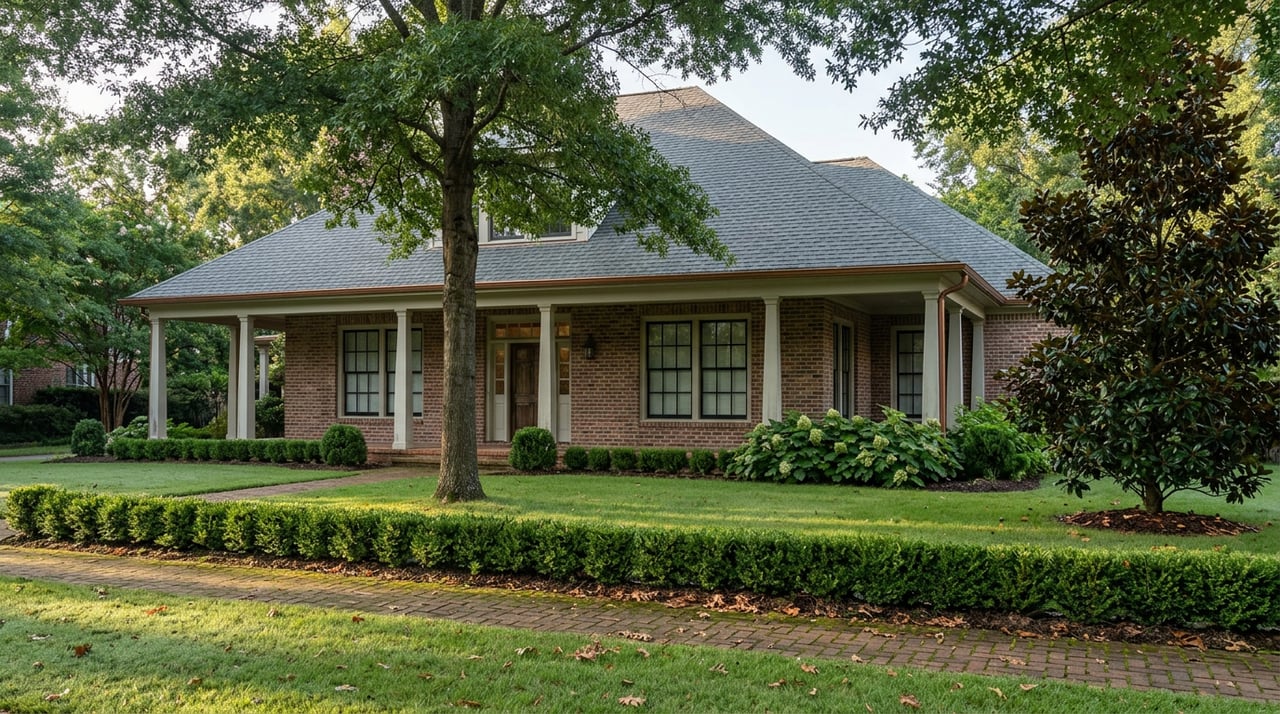
Druid Hills has a very specific identity. The National Park Service describes it as Atlanta’s first suburb, planned as an Olmsted-designed landscape with curving roads, large trees, and a strong relationship between homes and their surroundings. That means buyers often see the lot, the canopy, and the street presence as part of the home’s value.
The housing stock also stands out from many other Intown Atlanta neighborhoods. Homes in Druid Hills date from the late 1890s through the 1930s and include styles such as Georgian, Tudor, Neoclassical, Italian Renaissance, and bungalows. In practical terms, you are selling both a residence and a piece of architectural history.
That changes how you prepare, price, and market the property. Features like porches, masonry, rooflines, windows, setbacks, and accessory buildings can shape buyer perception just as much as square footage. In a premium market like Druid Hills, those details matter.
Know Which Rules Apply
One of the most important first steps is confirming which jurisdiction governs your property. Druid Hills spans both unincorporated DeKalb County and the City of Atlanta, and the rules are not identical. Before you make changes or go active, you need to know which side of that line your home is on.
In unincorporated DeKalb, a Certificate of Appropriateness, or COA, is required before certain exterior alterations, construction, rehabilitation, or demolition within local historic districts. DeKalb’s review process includes monthly filing windows and Historic Preservation Commission meetings, with decisions generally issued within 45 days unless deferred.
On the Atlanta side, Druid Hills Landmark District rules also require COAs for a range of work, including façade changes, additions, some accessory structures, certain tree removal, lot replatting, and demolition of contributing structures. City rules also emphasize compatibility in scale, proportion, materials, and historic spatial relationships.
A key point for sellers is that “historic” does not always mean the same thing legally. DeKalb makes it clear that local historic district rules are separate from National Register status. So if you are preparing a home for sale, it is smart to verify the actual local designation rather than relying on a general label.
Focus on Character-Defining Features
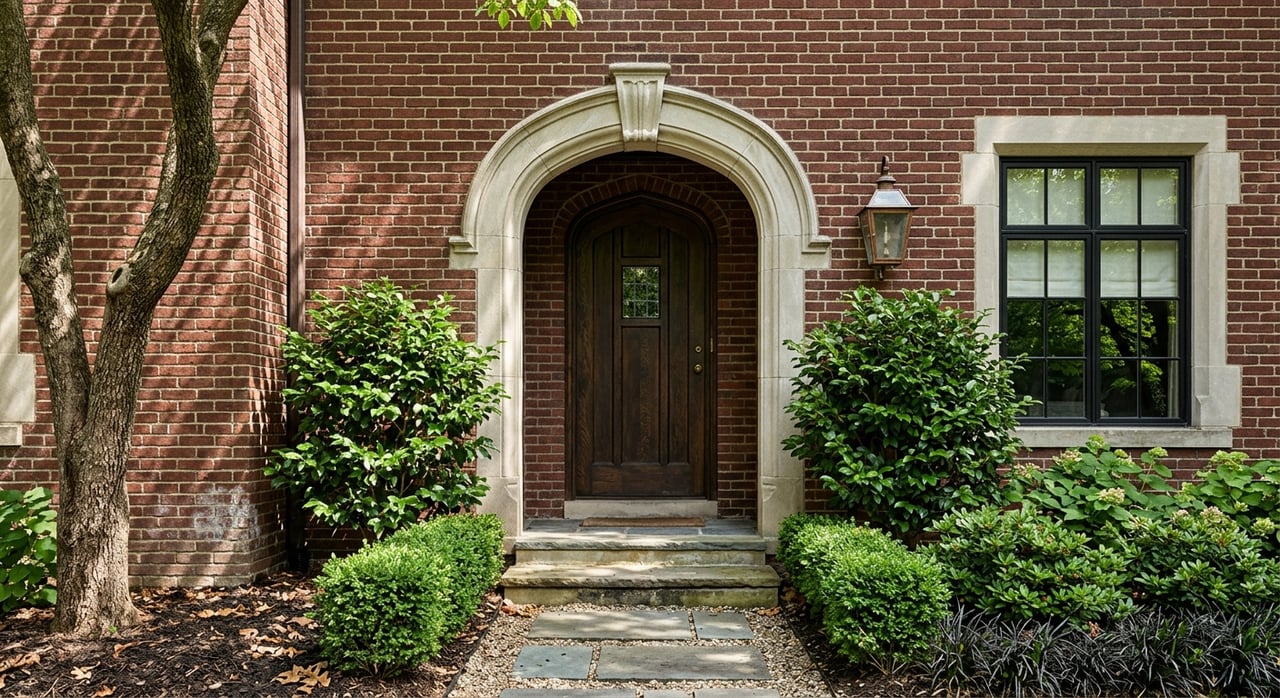
The best pre-listing improvements usually start with what buyers notice first. In Druid Hills, that often means the façade, porch, windows, doors, masonry, roof form, and landscaping. These are not cosmetic extras. They are central to how buyers judge authenticity and care.
Local preservation guidance repeatedly favors repair over replacement when possible. Original doors, porches, windows, sash, hardware, and trim are often worth preserving if they remain serviceable. Original roof forms and historic accessory buildings can also contribute to the overall appeal of the property.
That does not mean your home must feel frozen in time. It means your preparation strategy should respect what makes the property distinctive. Clean, functional, well-maintained historic features often create a stronger impression than rushed updates that dilute the home’s character.
Treat Landscape as Part of the Sale
In Druid Hills, the lot is part of the story. The district is known for broad setbacks, long lots, mature trees, and a park-like feel. Buyers are often responding to the full setting, not just the structure itself.
That is why landscape work should be thoughtful. Atlanta’s code places value on front-yard openness, rear tree canopy, and historic circulation patterns. Civic guidance also notes that front-yard fences are generally considered inappropriate, and tree rules can differ depending on jurisdiction.
Before making major exterior changes, be cautious about grading, parking changes, or tree removal. In DeKalb, COA materials may require topography, significant tree documentation, and tree protection or replacement plans. Even small decisions outside can affect both compliance and buyer confidence.
Build a Strong Documentation Packet
Historic-home buyers tend to ask more questions, and that is not a bad thing. A well-organized documentation packet can make your home easier to understand and easier to trust. It also helps reduce uncertainty during due diligence.
Before listing, gather any COAs, permits, approved plans, contractor invoices, roof and system dates, surveys or site plans, and photos of prior conditions. If you completed exterior work, records showing that the scope matched approved plans can be especially helpful.
This kind of preparation does more than answer buyer questions. It can also support conversations with appraisers by clarifying what is original, what has been restored, and what has been improved in a compliant way. For a unique property, that context can matter.
Handle Inspections Proactively
Older homes come with a different inspection profile than newer construction. In Druid Hills, buyers may focus closely on moisture management, air leakage, windows, doors, foundations, and roof condition. Addressing obvious issues before listing can help you avoid last-minute concessions.
The National Park Service notes that historic homes often face energy-efficiency challenges tied to air leakage around windows and doors, attic and wall insulation, and gaps around plumbing or electrical penetrations. Foundation cracks and moisture issues can also draw attention during inspection.
If your home was built before 1978, lead-based paint disclosure obligations may also apply. Homes built before 1940 are especially likely to contain lead-based paint. If past or current renovation work disturbed painted surfaces, buyers may want a clear understanding of what was done and how.
Stage for Heritage and Luxury
Staging a historic home is not the same as staging a newer one. The goal is not to cover age. The goal is to help buyers see craftsmanship, scale, and comfort in a clear and polished way.
That usually means simplifying rooms so original millwork, windows, doors, and room proportions stand out. Clean sightlines can help buyers appreciate details that might otherwise get lost. A porch, formal entry, or distinctive stair can become a major selling moment when it is presented well.
Photography matters just as much. In a neighborhood like Druid Hills, professional visuals should capture the façade, porch, roofline, lot depth, and tree canopy along with the interiors. For many buyers, that exterior setting is part of the emotional connection.
Price With Precision, Not Assumptions
Druid Hills is clearly a high-value market, but pricing still requires discipline. Recent market trackers place the neighborhood in a premium bracket, with reported medians differing depending on whether the source measures sale price or list price. That gap is a reminder that pricing should be based on the right comparable set, not broad averages.
Historic status alone does not guarantee a premium. Condition, lot appeal, documentation, restoration quality, and buyer confidence all influence where your home will land. A beautifully preserved home with a strong paper trail may compete differently than a similar-sized home with deferred maintenance or unclear approval history.
Appraisers also need meaningful comparables. Fannie Mae guidance says the best comps are usually similar in site, room count, finished area, style, and condition, and ideally from the same market area. In a neighborhood as distinct as Druid Hills, giving appraisers clear information about original features, restorations, and upgrades can help them understand the home more accurately.
Market the Right Story
The strongest listing story for a historic Druid Hills property is usually simple: historic, well-maintained, and compliant. Buyers want to know that the home has character, but they also want reassurance that it has been cared for responsibly.
Your marketing should lead with what makes the property uniquely Druid Hills. That may include the façade, porch, roof form, lot depth, tree canopy, original woodwork, or a preserved accessory building. Square footage still matters, but in this neighborhood it should not be the only headline.
This is where a white-glove strategy can make a difference. Professional photography, strong visual presentation, and thoughtful positioning help buyers see the home as a complete package rather than just an older house with quirks. When the preparation and story align, the right buyers tend to respond.
If you are getting ready to sell a historic home in Druid Hills, the smartest next step is a plan tailored to your property, your jurisdiction, and your timing. Crochet Realty Group brings neighborhood knowledge, premium marketing, and hands-on guidance to help you prepare, position, and sell with confidence.
FAQs
What makes selling a historic Druid Hills home different from selling another Atlanta home?
- Buyers often evaluate the architecture, lot setting, tree canopy, and preservation of original features along with the home itself.
What is a Certificate of Appropriateness for a Druid Hills home sale?
- A Certificate of Appropriateness, or COA, is a required approval for certain exterior work in local historic districts, and the exact rules depend on whether your home is in unincorporated DeKalb or the City of Atlanta.
Should you replace original windows before selling a Druid Hills historic home?
- Local preservation guidance generally favors repairing original windows, sash, hardware, and trim whenever possible rather than replacing them.
How should you prepare the yard before listing a Druid Hills historic home?
- Focus on clean, well-kept landscaping while being careful with tree removal, grading, parking changes, and front-yard alterations that may affect historic character or require review.
What documents help when selling a historic Druid Hills property?
- Helpful records include COAs, permits, approved plans, contractor invoices, roof and system dates, surveys, site plans, and photos showing prior conditions and completed work.
How do you price a historic home in Druid Hills accurately?
- Pricing should reflect condition, lot quality, restoration level, comparable sales, and buyer appeal rather than relying on historic status alone.