If you are drawn to Inman Park, chances are you are not just shopping for a home. You are looking for a lifestyle that makes it easier to get out, move around, and enjoy more of Atlanta without always getting in the car. Inman Park stands out for exactly that reason, and the Atlanta BeltLine is a big part of why. In this guide, you will see how BeltLine living shapes daily routines, housing choices, and market demand in one of Atlanta’s best-known intown neighborhoods. Let’s dive in.
Why the BeltLine Matters in Inman Park
Inman Park already had a strong identity long before the BeltLine became a major part of intown life. The City of Atlanta describes it as the city’s first planned residential suburb, and it is also recognized as a historic district. That history still shows up today in the neighborhood’s streetscape, architecture, and long-term appeal.
The BeltLine adds a modern layer to that historic foundation. The Eastside Trail, which was the first finished section of the BeltLine, runs from the tip of Piedmont Park to Reynoldstown and includes Inman Park among the neighborhoods it serves. That gives you direct access to one of Atlanta’s most active corridors for walking, biking, dining, shopping, and everyday exploring.
How BeltLine Access Changes Daily Life
Living near the BeltLine can make day-to-day life feel more connected and flexible. Instead of planning every outing around parking and traffic, you may be able to walk or bike to coffee, dinner, markets, or nearby gathering spots. That convenience becomes part of your routine, not just a weekend perk.
Walk Score rates Inman Park as very walkable, with a Walk Score of 87, a Bike Score of 82, and a Transit Score of 56. It also ranks Inman Park as the 5th most walkable neighborhood in Atlanta and says most errands can be accomplished on foot. For many buyers, those numbers help explain why the neighborhood feels so livable.
Walk Score also estimates about 160 restaurants, bars, and coffee shops in the neighborhood, with an average of 11 reachable within five minutes. That kind of access can shape how you spend your time. A quick coffee run, an evening walk, or dinner with friends can feel easier to fit into your day.
Everyday movement feels simpler
The Eastside Trail supports more than recreation. It also works as a practical route for getting around nearby parts of intown Atlanta. If you value the option to walk or bike instead of making another short car trip, that can be a meaningful quality-of-life advantage.
The BeltLine’s visitor information highlights restaurants, bars, shops, and markets along the corridor. The Eastside Trail also features places like Krog Tunnel, murals, and public art installations, which adds to the experience of moving through the area. In Inman Park, mobility and neighborhood character often go hand in hand.
The neighborhood feels connected, not isolated
One reason BeltLine living feels different in Inman Park is that the neighborhood sits within a larger network of destinations. Nearby places like Ponce City Market and Krog Street Market strengthen that sense of connection. You are not just near a trail. You are part of a broader trail-and-reuse ecosystem that links housing, retail, dining, and public space.
The Georgia Trust notes that Ponce City Market was once the Sears, Roebuck & Co. Southeast distribution center and retail store before being rehabilitated into retail, office space, residential units, a food hall, and public outdoor spaces. That kind of adaptive reuse helps define the Eastside corridor’s character. For buyers, it can make Inman Park feel both historic and highly active.
What Housing Looks Like Near the BeltLine
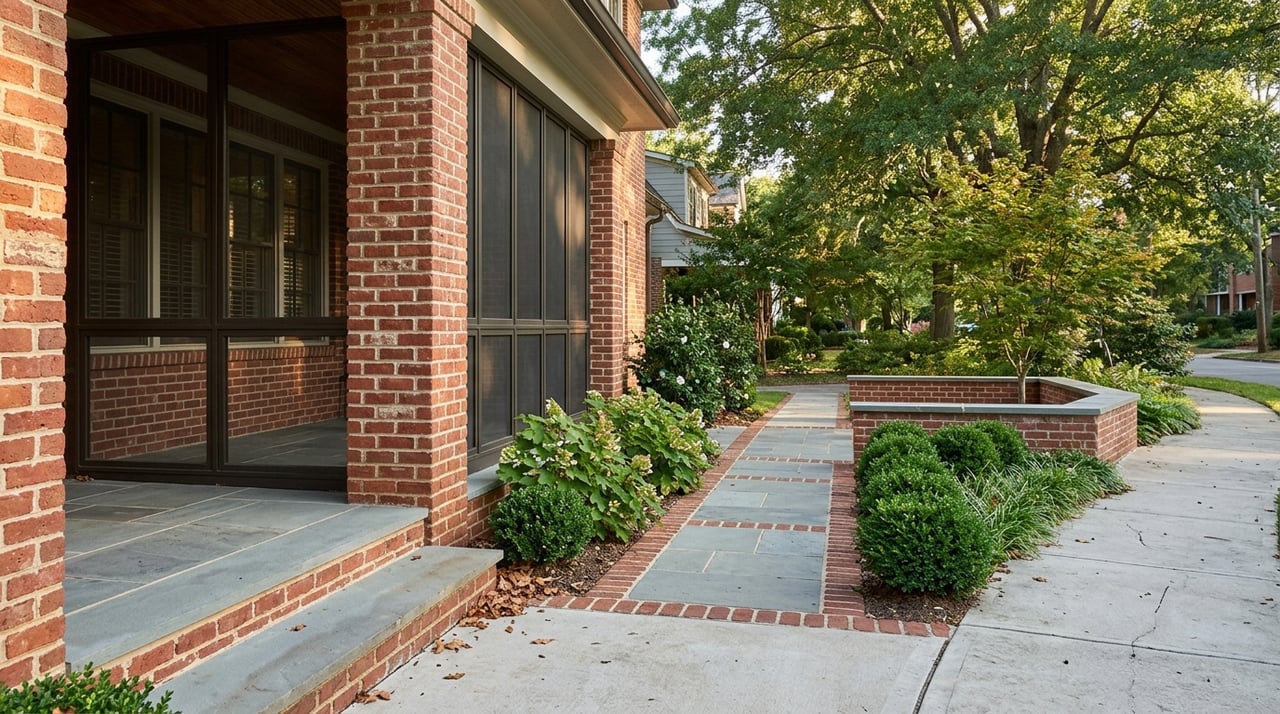
Inman Park appeals to buyers for more than location alone. The neighborhood planning document from the Inman Park Neighborhood Association describes housing that ranges from Victorian mansions to small lofts. It also notes that newer growth has been concentrated in larger buildings near the BeltLine.
That range matters because it gives buyers different ways to experience the neighborhood. Some people want the architectural detail and presence of a historic house. Others prefer a more urban, lower-maintenance loft or multifamily option closer to the trail and surrounding activity.
Historic homes shape the neighborhood’s feel
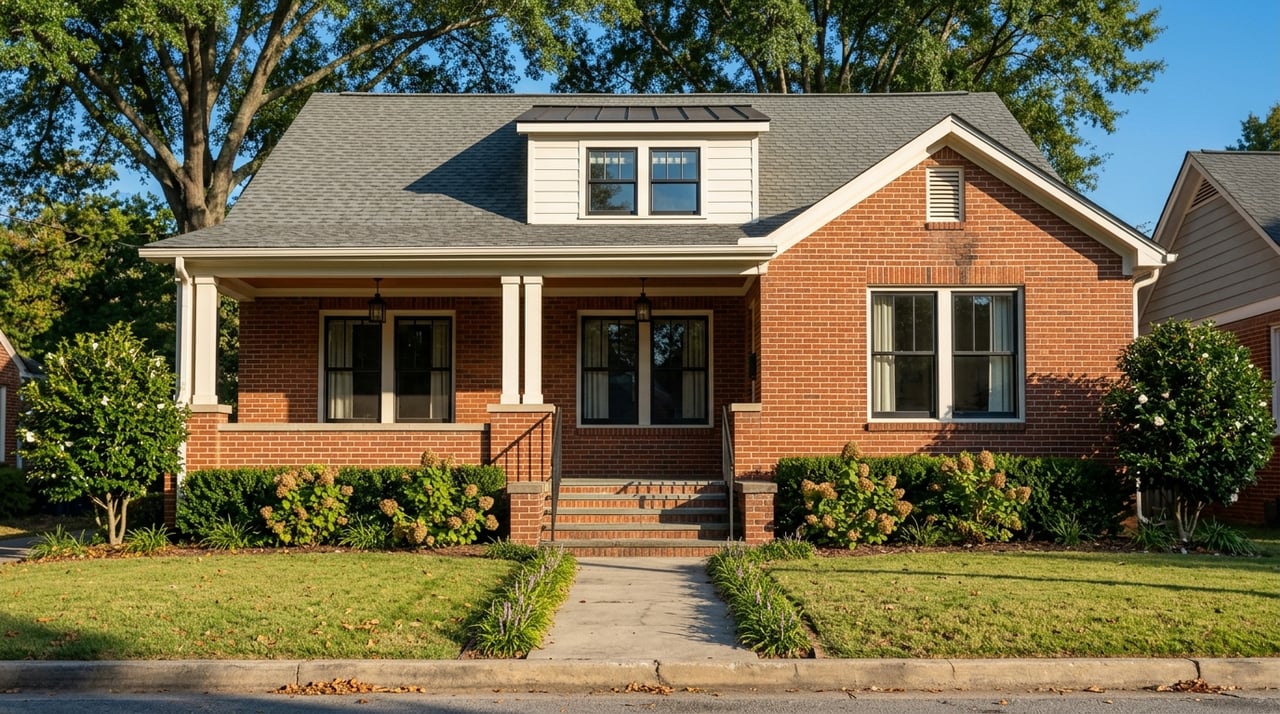
Inman Park’s historic character is one of its biggest draws. National Register data for the Inman Park--Moreland Historic District lists styles including Colonial Revival, Bungalow/Craftsman, and Beaux Arts, with periods of significance stretching from the mid-19th century through 1949. In simple terms, that means the neighborhood feels layered rather than uniform.
When you walk through Inman Park, you are seeing multiple eras of Atlanta development in one place. That variety gives the neighborhood a depth that many newer communities cannot replicate. It is part of why homes here often attract buyers looking for something with a stronger sense of place.
Newer options cluster near the corridor
The BeltLine has also influenced where newer housing shows up. According to the neighborhood planning document, newer development in Inman Park has been concentrated in larger buildings near the BeltLine. That pattern gives some buyers access to a more modern or lock-and-leave style of living while still staying close to the neighborhood’s historic core.
For buyers comparing options, this creates an important choice. You may find yourself deciding between historic charm on a traditional residential street and a more urban setup with immediate access to the trail. Both can deliver the Inman Park lifestyle, but they offer it in different ways.
What Buyers Should Know About Preservation Rules
If you are considering a historic home in Inman Park, the neighborhood’s preservation framework is an important part of the decision. The Inman Park Neighborhood Association states that the City of Atlanta created regulations to preserve the historic physical pattern, architectural history, and diversity of housing in the historic district. That helps protect the neighborhood’s long-term character.
It also means exterior changes may require a Certificate of Appropriateness. For buyers, this can affect renovation planning, timelines, and the scope of future updates. For sellers, it raises the importance of maintenance, presentation, and understanding how a home fits within the district context.
Renovation can involve more planning
Historic homes can offer beauty and individuality, but they may also require a different level of preparation if you want to make changes. Before buying, it is smart to understand what updates may need review and how that could shape your plans. The goal is not to avoid the neighborhood’s rules, but to make sure the home and your expectations line up.
In a place like Inman Park, that planning matters. Buyers are often balancing lifestyle, design goals, and long-term value at the same time. Knowing the framework early can help you make a more confident decision.
How the Market Reflects BeltLine Demand
Inman Park is not typically viewed as a bargain entry point into intown Atlanta. Recent housing data points to a premium, supply-constrained market. That aligns with what many buyers and sellers already sense on the ground: homes here are competing in a neighborhood with limited comparable inventory and strong lifestyle appeal.
As of April 2026, Redfin reported a median sale price of $698,740, 24 homes sold, a median of 52 days on market, and a somewhat competitive market where some homes receive multiple offers. Realtor.com’s April 2026 summary showed 28 homes for sale, a median listing price of $647,500, a median sold price of $899,000, and a median of 55 days on market. Zillow’s April 30, 2026 home value index put the average home value at $771,769, up 0.4% year over year.
These figures use different methods, so they should not be treated as identical measures. Still, together they point to the same broad takeaway. Inman Park remains a higher-demand intown market where BeltLine access, walkability, historic character, and limited supply all help support pricing.
What This Means if You’re Buying
If you are buying in Inman Park, it helps to define your priorities early. Do you want direct BeltLine convenience, historic architecture, lower-maintenance living, or a renovation opportunity within the district? The answer can shape which block, building type, and price range make the most sense for you.
It is also important to think beyond the home itself. Inman Park buyers are often choosing a specific way of living, one centered on access, character, and proximity to the Eastside corridor. That is part of the value here, and it is often why the neighborhood stays on so many short lists.
What This Means if You’re Selling
If you are selling in Inman Park, your home is entering a market where lifestyle marketing matters. Buyers are not only evaluating square footage and finishes. They are also looking at BeltLine access, historic character, walkability, and how your property fits into the neighborhood story.
That makes presentation especially important. In a neighborhood where buyers can compare historic homes, lofts, and newer buildings near the BeltLine, clear positioning can help your property stand out. Strong pricing strategy and polished marketing are key when your audience is weighing both emotional appeal and practical lifestyle benefits.
Inman Park is one of those neighborhoods where the setting truly shapes the experience of homeownership. The BeltLine strengthens what already makes the area special by making everyday movement easier, adding access to major destinations, and reinforcing the value of a walkable intown lifestyle. If you are thinking about buying or selling here, working with a team that understands both the micro-market and the bigger BeltLine picture can make a real difference. If you are ready to plan your next move in Inman Park, connect with Crochet Realty Group.
FAQs
How does the BeltLine affect daily life in Inman Park?
- The Eastside Trail gives Inman Park residents easy access to walking, biking, dining, shopping, markets, and nearby intown destinations, which can reduce the need for short car trips.
What types of homes can you find in Inman Park?
- Inman Park includes a wide range of housing, from Victorian mansions to small lofts, along with newer larger buildings that are more concentrated near the BeltLine.
What should buyers know about historic district rules in Inman Park?
- Many exterior changes in the Inman Park Historic District may require a Certificate of Appropriateness, so renovation plans may involve added review and longer timelines.
Is Inman Park a walkable Atlanta neighborhood?
- Yes. Walk Score rates Inman Park as very walkable, with a Walk Score of 87, and says most errands can be accomplished on foot.
What does the Inman Park housing market look like?
- Recent April 2026 market snapshots suggest Inman Park is a premium, relatively tight intown market with limited inventory, solid pricing, and some homes receiving multiple offers.